Skip to contentKahraman

Guide

Olive oil guide

This page is for information purposes. It summarises the history of olive oil, how the classes are read and how it is used in the kitchen.

01

History

The history of olive oil

The olive tree is native to the Eastern Mediterranean basin. Archaeological evidence shows olives being turned into oil thousands of years ago — at some excavation sites, as early as around 6000 BC.

From that coastal belt the olive spread across both shores of the Mediterranean: the Aegean, North Africa, the Iberian peninsula. The belt that includes Antakya is among the oldest geographies of this craft — which is why the same work is still done here today.
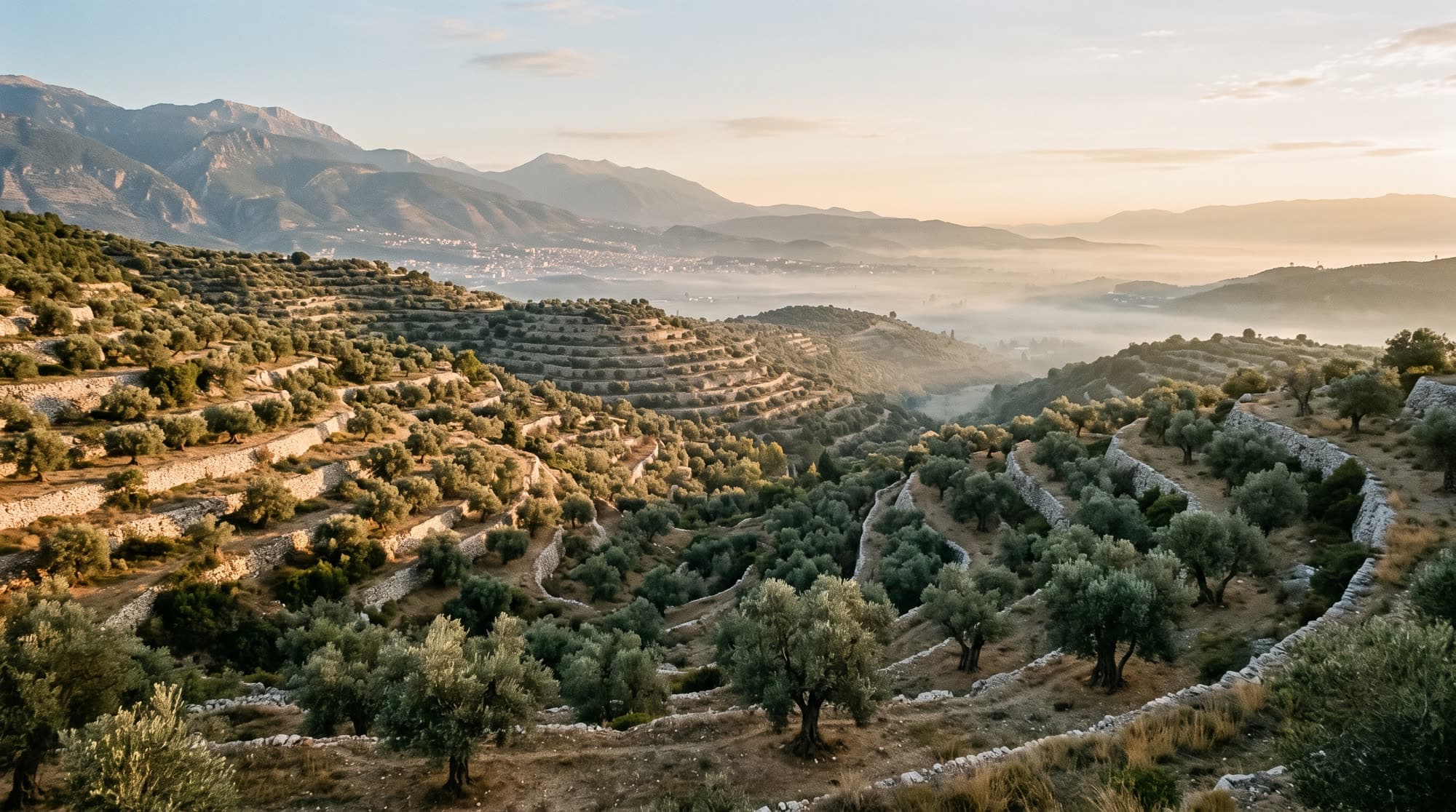
EASTERN MEDITERRANEAN · OLIVE BELT
FIG. 01EASTERN MEDITERRANEAN · OLIVE BELT
02

Classes

Oil classes

Extra virgin (EVOO) is oil obtained from olives by mechanical means alone, meeting the strictest chemical and sensory thresholds. Virgin (VOO) is made the same way, with thresholds one step wider.

Lampante is the raw class that does not reach the table unrefined; it finds use after refining. Pomace oil is obtained from olive pomace and is labelled as its own category. All four classes are legitimate — what matters is that the label tells the truth about what is inside.

For a buyer, the practical rule is this: a class is read together with its analysis values. Free acidity, peroxide value and UV readings are the proof of the declared class.

CLASS · READ WITH ANALYSIS
FIG. 02CLASS · READ WITH ANALYSIS
03

Kitchen

Use and storage

Mediterranean cooking uses olive oil both raw and heated: extra virgin over salads and bread; other classes for the pot and the pan as their durability allows. The choice is a matter of palate and recipe.

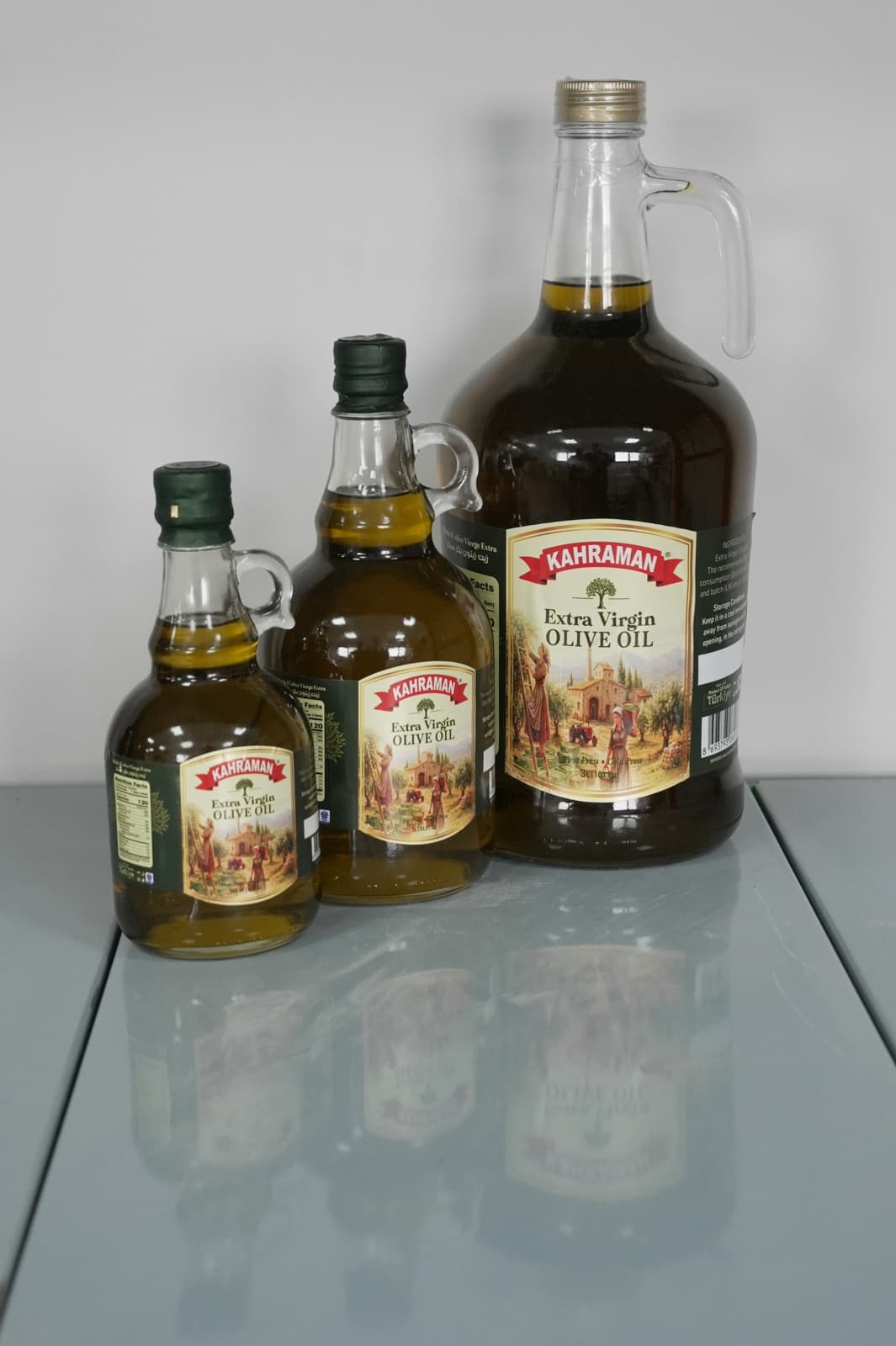
Storage has three enemies: light, heat and air. Keep oil in a dark, cool place, tightly closed; tins and dark glass are the traditional packaging for exactly this reason. Well-kept oil holds its freshness far longer from harvest on.

LIGHT · HEAT · AIR
FIG. 03LIGHT · HEAT · AIR

This page is for information; it makes no health claims.